







Search Results for: cold brew grind size
Siphon Coffee Grounds Grind Size and Dosage Explained: Reference Grind Standards for Cold Drip, French Press, and Cold Brew
In coffee brewing, grind size is the key variable that determines the direction of flavor. The same coffee beans, when used in a siphon, cold drip, French press, or cold brew, require different particle coarseness and coffee doses because of their different extraction principles. This article systematically sorts out the coarseness standards and dosage recommendations for siphon coffee grounds, and compares the reference grind size ranges for cold drip, French press, and cold brew, helping you find the flavor balance point among different devices. The article also includes practical recommendations from Front Street Coffee; whether you are a beginner or an advanced enthusiast, you can find reliable parameter references here. [more…]
How long should cold brew coffee steep for the best flavor? Pairing grind size with extraction time
Cold brew coffee is an ideal choice for making iced coffee at home, with a high extraction fault tolerance, allowing you to achieve decent flavor performance without professional equipment. But how should grind size and steeping time be paired, what range should the coffee-to-water ratio be controlled within, and how will the flavor differ at different time points? Based on Front Street's practical experience, this article sorts out the complete logic for making cold brew coffee: the recommended coffee-to-water ratio is 1:12 to 1:13, the grind size references pour-over coarseness (70-85% passing rate through a No. 20 sieve), and the steeping time should be controlled between 8 and 24 hours. At the same time, it provides two practical approaches—coarse grind with a long time, and medium-fine grind with a medium-long time—along with the complete cold brew making steps and Front Street bean recommendations. [more…]
How to Make Cold Brew Coffee at Home: A Full Guide to Coffee-to-Water Ratio, Grind Size, Steeping Time, and Bean Selection
As the weather warms up, iced cold brew has once again become a favorite among many coffee lovers. But if you want to make a full-flavored pitcher of cold brew at home, grind size, coffee-to-water ratio, steeping time, and bean selection all directly affect the final taste. This article starts from practical operation, sorts out the key parameters of cold brew coffee, explains why the grind is not as fine as possible, why the water amount should be more restrained than pour-over, and provides a bean list reference suitable for fruity profiles and rich, acid-free styles. Finally, it also includes a complete brewing process using Front Street Coffee Granja Geisha as an example to help you easily recreate a delicious pitcher of cold brew. [more…]
Cold Brew Coffee Guide: How Coffee-to-Water Ratio, Grind Size, and Steep Time Affect Flavor
Cold brew coffee has a high extraction fault tolerance, so even without professional equipment, you can easily make a delicious iced coffee at home. However, the three parameters of coffee-to-water ratio, grind size, and steeping time are interrelated, and even a slight deviation can push the flavor toward blandness or bitterness. This time, Front Street Coffee combines experimental data to clearly explain the logic behind choosing cold brew coffee parameters: the recommended coffee-to-water ratio is between 1:12 and 1:13; for grind size, refer to pour-over coarseness, and a 70-85% passing rate through a No. 20 sieve is suitable; keeping the steeping time at 8-24 hours is relatively reliable. The article will also provide the specific flavor performance under different combinations of grind and time, and include the complete steps for making Front Street Strawberry Candy Cold Brew. [more…]
A Complete Guide to Cold Brew Coffee: From Grind Size and Ice-Water Ratio to Steeping Time
In the heat of summer, a refreshing low-acid cold brew coffee has become a favorite for many coffee lovers. But if you want to make a delicious cold brew at home, how coarse should the grind be? How should the ratio of ice water to coffee grounds be set? How long should it steep? This article starts with the origins of cold brew, the extraction principles, and its flavor characteristics, then explains key parameters such as the water-to-coffee ratio and grind size in detail, and includes Front Street Coffee's practical recipe and flavor description, helping you fully master the details of making cold brew coffee, avoid common pitfalls, and easily make a clean, smooth iced drink. [more…]
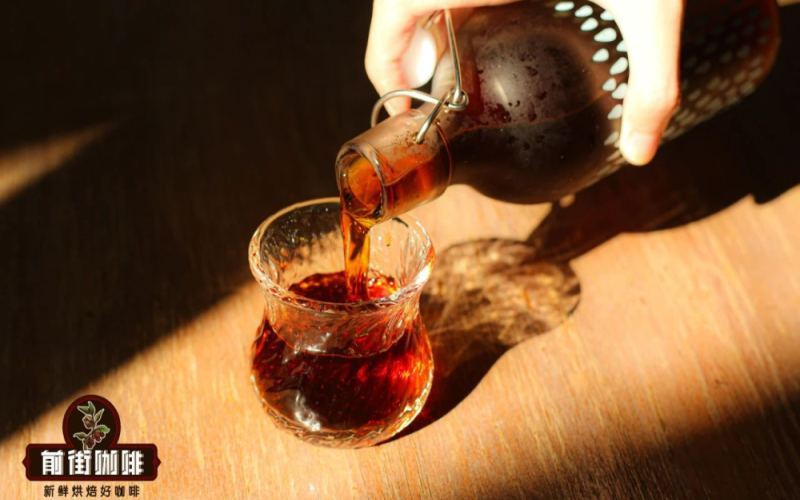
Cold Brew Coffee Complete Guide: A Practical Guide from Coffee-to-Water Ratio and Grind Size to Extraction Time
On a scorching summer day, a refreshing glass of cold brew coffee always perks you right up. Compared with pour-over, cold brew has a much lower barrier to entry—just master a few key parameters like the coffee-to-water ratio, grind size, and steeping time, and you can easily make a rich, smooth iced coffee at home. In this article, Front Street Coffee will walk you through the complete cold brew process in detail, including how to choose the coffee-to-water ratio, how to control grind size, the relationship between water temperature and extraction time, and storage tips after filtering. We'll also analyze the flavor differences between cold brew and hot extraction to help you understand why cold brew tastes less acidic and astringent and feels smoother on the palate. Whether you're a beginner just getting into cold brew or a seasoned brewer looking to fine-tune your parameters, you'll find practical references here. [more…]
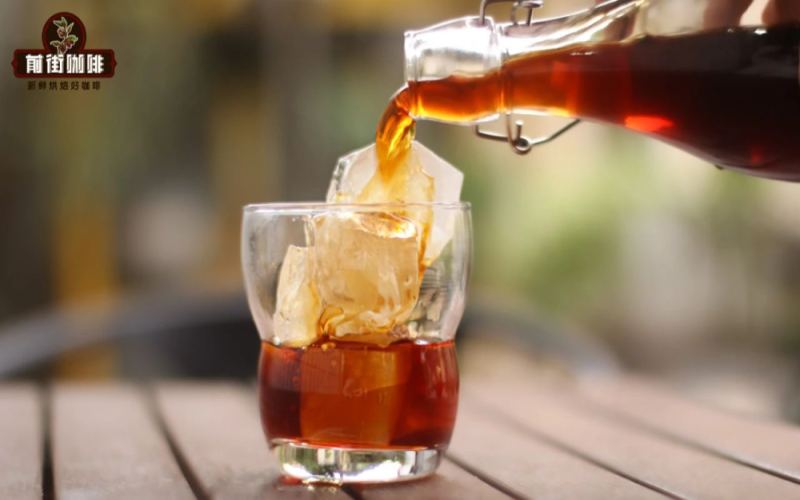
How to Make Cold Brew Coffee at Home: Coffee-to-Water Ratio, Grind Size, Shelf Life, and Front Street Coffee Bean Recommendations
The scorching summer is hard to endure, and cold brew coffee has become the top choice for many coffee lovers to beat the heat. Starting from the underlying principles, this article explains clearly why cold brew coffee tastes more balanced, then walks through step by step the types of coffee beans suitable for cold brew, the reasonable range for the coffee-to-water ratio, how grind size and steeping time work together, and how long it can be kept once made. The article also gives specific recommendations based on several Front Street Coffee beans, including the dark-roasted Queen's Estate, PWN Golden Mandheling, the light-roasted Fruit Ding Ding, Little Tomato AA, as well as the specially processed Strawberry Candy and Front Street Xizhua, to help you avoid detours and make a smooth, consistent cup of cold brew at home. [more…]
How Do Roast Level and Grind Size Shape Cold Brew Flavor? A Front Street Coffee Cold Brew Bean Buying Guide
The flavor profile of a cup of cold brew coffee often depends on multiple variables—from the origin of the green beans and the processing method, to the roast level and grind size, each link silently influences the final taste direction. The roast level determines the degree of caramelization of sugars in the coffee beans, which in turn brings a huge difference from bright floral and fruity acidity to rich bitter-sweetness; the grind size is directly related to extraction efficiency, with coarse grinds suitable for long low-temperature immersion cold brew, and fine grinds more suited to high-pressure quick-extraction espresso. So, exactly which should you choose—light roast, medium roast, or dark roast beans for making cold brew? Front Street Coffee combines representative bean varieties of different roast levels, analyzes their flavor characteristics one by one in the cold brew scenario, and gives specific recommendations to help you find the cup that best suits your taste. [more…]
Cold Brew Coffee Grind Size and Steeping Time: A Complete Guide to Ratios, Flavor Changes, and a Front Street Strawberry Candy Demonstration
Cold brew coffee, with its extremely high extraction compatibility, has become the ideal choice for making iced coffee at home. This article focuses on the two core variables of grind size and steeping time, systematically sorting out the parameter logic and practical recommendations for cold brew. Drawing on multiple experiments, Front Street Coffee provides a coffee-to-water ratio range of 1:12 to 1:13, a grind coarseness similar to that for pour-over, and a reliable steeping duration of 8 to 24 hours, while explaining the flavor development at different time points. At the end of the article, the complete steps and taste description for making cold brew with Strawberry Candy coffee beans at Front Street Coffee are included for coffee enthusiasts' reference. [more…]

Cold Brew Coffee Grind Size | Does Cold Brew Steeping Time Affect Coffee Flavor? What's the Right Cold Brew Coffee Water-to-Coffee Ratio?
For more specialty coffee knowledge, please follow our WeChat public account: Front Street Coffee (FrontStreet Coffee). Front Street believes that cold brew coffee is the most suitable type of iced coffee to make at home, because its extraction is highly forgiving—even without professional equipment, you can still make a decent iced coffee. Plus, the most [more…]
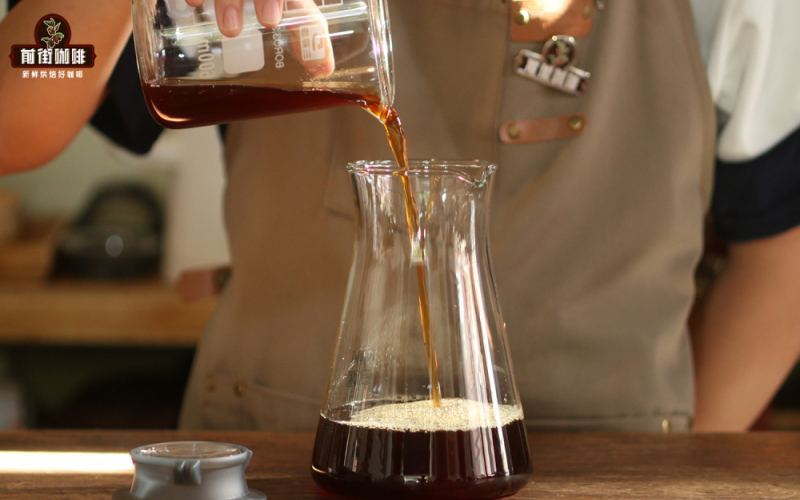
The Complete Guide to Making Cold Brew Coffee at Home: Coffee-to-Water Ratio, Grind Size, and Steeping Time Explained
To make a well-balanced cold brew coffee at home, the key lies in choosing the right coffee beans and mastering the grind size and coffee-to-water ratio. This article explains in detail the key points of making cold brew coffee, including suitable roast levels, recommended Front Street Coffee bean options, grind coarseness, steeping time, and coffee-to-water ratio and other practical parameters, and also includes Front Street's daily cold brew recipe and step-by-step instructions to help you easily make a cup of iced coffee with balanced acidity and sweetness and a rich, mellow mouthfeel. [more…]

A Comprehensive Analysis of Cold Brew Coffee Ground Size, Flavor Characteristics, and Caffeine Content
Cold brew coffee, through its low-temperature, long-duration extraction process, presents a flavor profile completely different from hot brewing. This article will systematically explain the extraction principles of cold brew, how to manage grind size, how to adjust the water-to-coffee ratio, and where its mild sweet-and-sour, clean and smooth mouthfeel comes from. At the same time, using "Front Street · Washed Fruit Dingding" as an example, it shares the specific steps and flavor performance of making cold brew at home, and explains the rough estimation of cold brew caffeine content and the reasons why cold brew turns sour. Whether you are a beginner just starting out or an advanced enthusiast looking to adjust parameters, you can find practical references here. [more…]
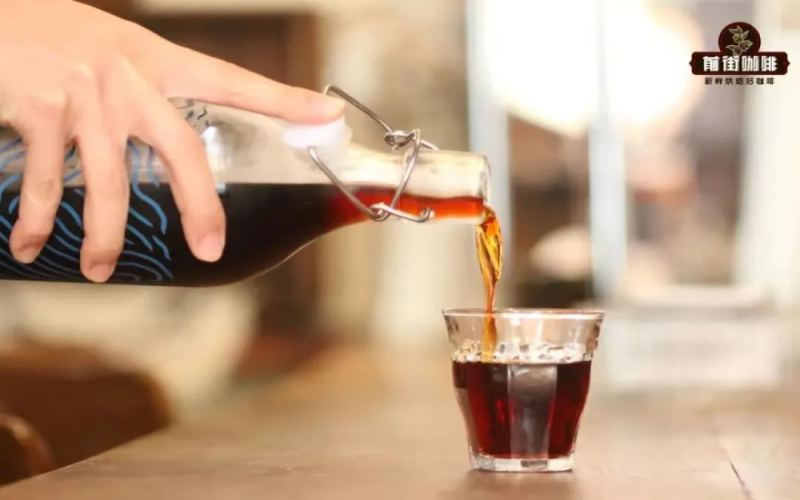
How to Determine the Water-to-Coffee Ratio and Grind Size for Cold Brew Coffee? A Complete Guide to Cold Brew Steeping Time and Coffee Bean Selection
To make a delicious cold brew coffee at home, the key is to master a few parameters: grind size, coffee-to-water ratio, and steeping time. Cold brew coffee is different from regular hot water brewing—it relies on long steeping or dripping with cold water to extract the coffee liquid. Common forms include cold steep and ice drip. Because extraction efficiency is low at low temperatures, the production time usually takes 6 to 8 hours or even longer, but in return you get a richer flavor and a fuller body. Refrigerated storage generally keeps it good for 3 to 5 days. This article covers cold brew coffee equipment selection, grind coarseness, water-to-coffee ratio, steeping time, and suitable coffee beans, and compiles several single-origin beans recommended by Front Street Coffee to help you make a cold brew coffee that is refreshing or has a prominent fermented note, according to your taste preference. [more…]
Cold Brew Coffee Brewing Guide: Coffee-to-Water Ratio, Grind Size, and Recommended Coffee Beans
Cold brew coffee is extracted by steeping in cold water for a long time at low temperature, giving it a balanced flavor with soft acidity and sweetness, completely different from hot-brewed coffee. This article explains in detail the key points of making cold brew coffee, including bean selection, grind size, steeping time, and coffee-to-water ratio, and shares Front Street Coffee's practical methods. Whether you want to try a refreshing, juicy profile or prefer a balanced, full-bodied flavor, you'll find suitable beans and brewing suggestions in this guide. [more…]
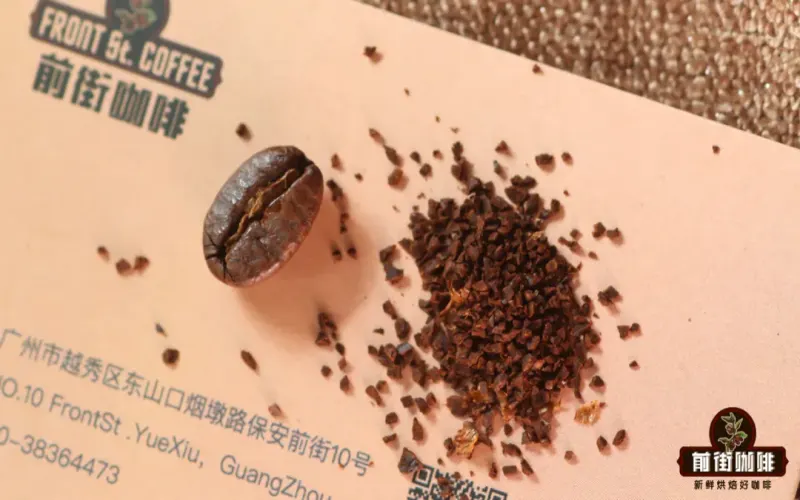
Pour Over, Cold Brew, Ice Drip, Moka Pot, and Espresso: Grind Size Selection for Each Extraction Method and Analysis of 20-Mesh Sieve Pass Rate
Grind size is one of the core parameters determining the success or failure of coffee extraction, but the coarseness of coffee grounds is difficult to describe with intuitive numerical values, so sieve passing rate has become a more precise way to communicate. In this article, Front Street will systematically sort out the suitable grind levels for pour-over, cold brew (cold immersion and ice drip), French press, clever cup, moka pot, and espresso machine, and provide specific passing rate references for the No. 20 Chinese standard sieve. Whether you are a beginner who has just started or a veteran player looking to calibrate your grind, you can find corresponding parameter suggestions here. The article also specifically explains the differences between medium-light roast and medium-dark roast pour-over, adjustment methods for iced pour-over, and the reason why cold brew grind is not finer-is-better, helping you avoid common pitfalls and brew a full-flavored good cup of coffee. [more…]
How to Make Delicious Cold Brew Coffee: A Full Breakdown of Grind Size, Coffee-to-Water Ratio, and Flavor Characteristics
In the height of summer, a glass of iced coffee always brings instant refreshment. Cold brew coffee, with its simple preparation and smooth taste, has become a favorite among many office workers. It requires no complicated techniques—just a bottle, a bag of beans, and a night of waiting, and the next day you can enjoy a rich, full-bodied iced coffee. So, what exactly is the difference between cold brew coffee and regular iced coffee? How fine should the grind be? What ratio of coffee to water is appropriate? And how should extraction temperature and time be managed? In this article, Front Street Coffee will systematically explain the brewing parameters, flavor characteristics, and storage methods of cold brew coffee, helping you easily make a delicious cup of cold brew. [more…]
The Complete Guide to Cold Brew Coffee: How Grind Size, Coffee-to-Water Ratio, and Steeping Time Affect Flavor
On a sweltering summer day, a glass of refreshingly cool cold brew coffee becomes the top choice for many office workers. Compared with pour-over coffee, cold brew has a lower barrier to entry—simply grind the beans and soak them the night before, refrigerate overnight, and the next morning you can enjoy a rich, full-bodied glass of iced coffee. However, to make a delicious cold brew, the coffee-to-water ratio, grind size, extraction temperature, and time are all indispensable parameters. Front Street Coffee, using 50 grams of ground coffee as the baseline, has summarized a simple and easy-to-follow cold brew method and offers concentration adjustment suggestions for different drinking scenarios. This article will break down in detail the key points of making cold brew, the causes of its flavor, and storage methods, helping coffee enthusiasts easily recreate at home a cup of cold brew with distinct layers and a pronounced sweet aftertaste. [more…]
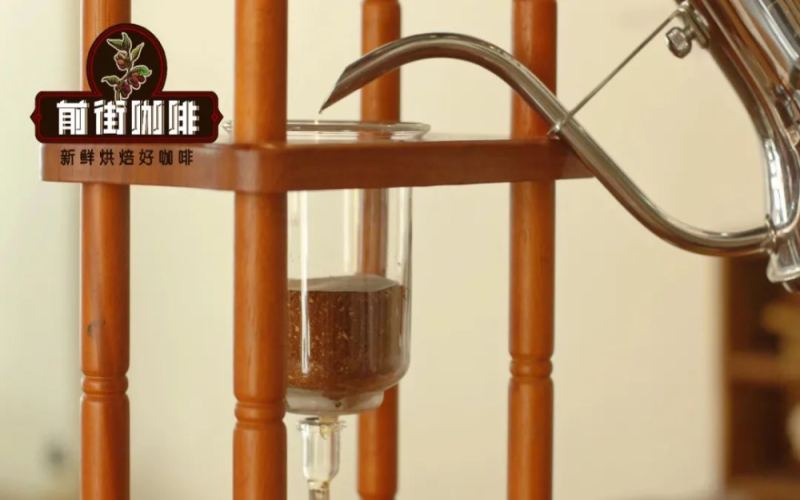
How to Make Cold Brew Coffee Taste Great? A Complete Guide from Origins and Grind Size to Coffee-to-Water Ratio and Front Street Coffee Recipes
Cold brew coffee is a staple drink in summer cafés. Its production takes a long time, so it usually needs to be reserved or prepared in advance. Its flavor differs noticeably from other brewing methods, and one taste often leaves a lasting impression. In this article, Front Street Coffee discusses the origins, production methods, and recipes of cold brew coffee, introducing key steps such as a 1:10 coffee-to-water ratio, grind size calibration, pre-infusion, drip rate control, and refrigerated fermentation, and shares four recipes: classic cold brew, a crisp and clean type, a sweet and pleasant type, and a wine-like type, to help coffee lovers reliably recreate it at home. [more…]
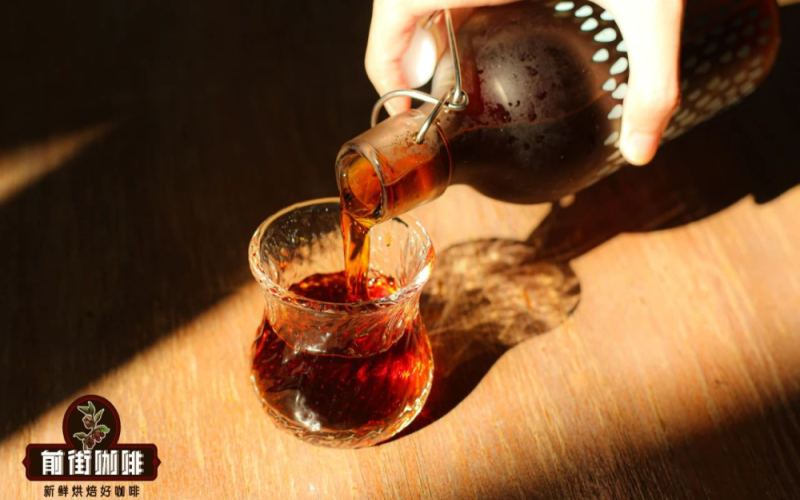
Cold brew coffee grounds-to-water ratio | What are the flavor characteristics of cold brew coffee? What kind of water should be used to brew cold brew coffee grounds? What grind size is suitable for making cold brew coffee?
When summer arrives, the internet-famous iced coffee comes to mind. Indeed, in this scorching summer, a glass of iced coffee instantly makes you feel refreshed. Today, Front Street Coffee is going to talk about one such iced coffee: cold brew coffee. Cold brew coffee has become a favorite among office workers. Why is that? Front Street Coffee believes that cold brew coffee [more…]
Cold Brew Coffee Guide: Grind Size, Coffee-to-Water Ratio, Steeping Time, and the Difference from Ice Drip
Cold brew coffee has attracted increasing attention from coffee enthusiasts in recent years. It extracts coffee liquid through long soaking or dripping with cold water, forming a sharp contrast with conventional hot water brewing. Cold brew and ice drip are the two most common forms of cold brew coffee. This article will systematically introduce the key points of making cold brew coffee, including suitable coffee bean selection, grind size standards, coffee-to-water ratio, and steeping time and other key parameters, while also helping everyone clarify the relationship between coffee bean flavor and cold brew extraction methods. The article also retains Front Street brand coffee bean recommendations, making it convenient for readers to choose according to their own taste preferences. [more…]